
 Available in US
Content
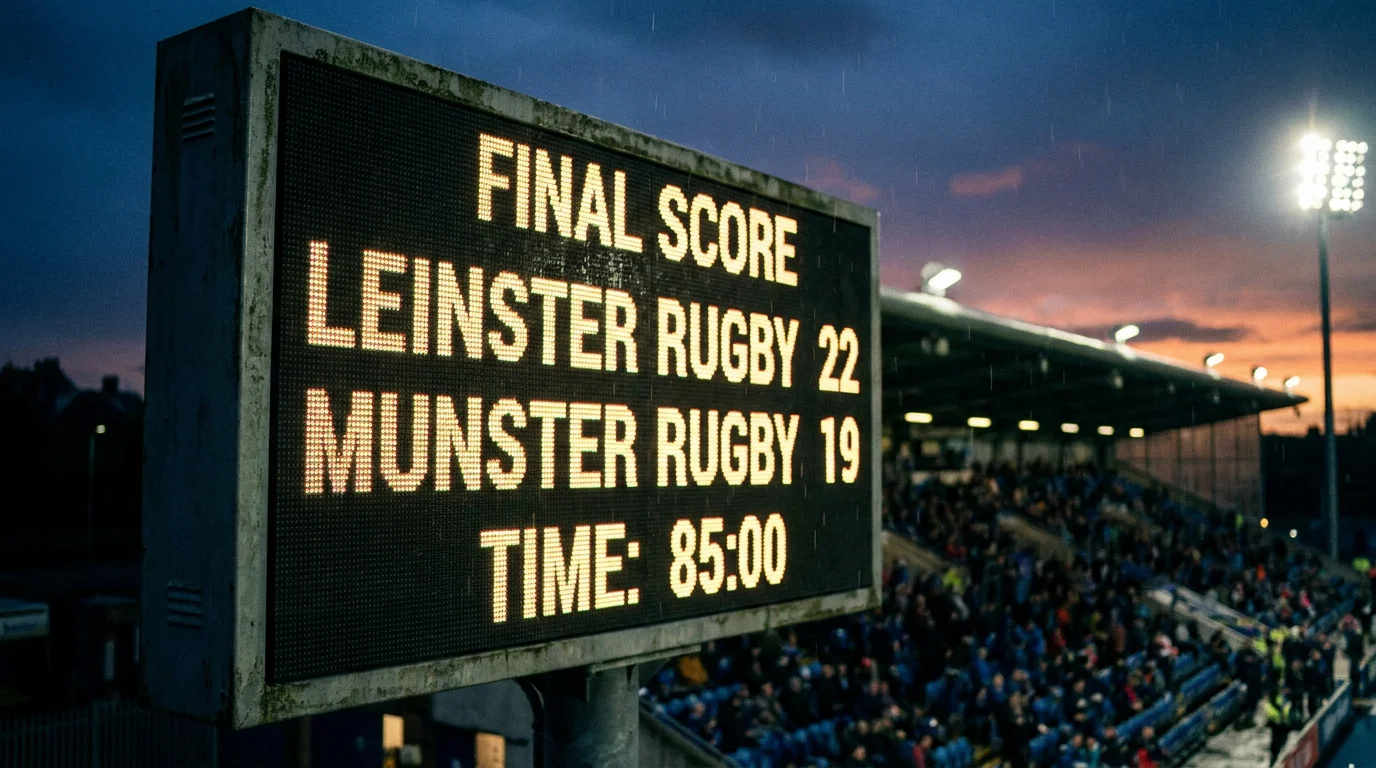
Roughly a third of Premiership Rugby matches end with a winning margin between one and seven points. That single data point has shaped more of my betting than any other statistic in nine years of analysing rugby markets. When you know the most common margin band and the conditions that push results toward it or away from it, you hold a structural advantage in one of the most rewarding niche markets available to UK bettors.
Winning margin betting sits in the gap between match result (too simple to offer much edge) and exact score (too speculative to be reliable). It asks a question the market frequently misprices: not who wins, but by how much? And that question rewards the kind of granular form analysis that most casual bettors skip entirely.
How Bookmakers Group Winning Margins
I was midway through my second season of serious rugby betting when I first noticed the margin market buried below the match result and handicap options on a bookmaker’s site. The bands were 1-5, 6-10, 11-15, 16-20, 21-25, 26-30, and 31+. Each carried its own odds, and something about the pricing felt wrong. The 1-5 band was priced at 4/1 for a match between two mid-table Premiership sides — a fixture I expected to be tight. I backed it, it landed (final score: 22-19), and I have been studying margin distributions ever since.

Bookmakers group margins differently. Some use five-point bands (1-5, 6-10), others use wider bands (1-7, 8-14, 15-21). The band widths affect the odds and the implied probabilities, so comparing prices across operators requires normalising to the same band structure. I convert everything to five-point bands in my own analysis because the granularity is useful — a 1-5 margin behaves differently from a 6-10 margin in terms of what produces it tactically.
The overround on margin markets is typically higher than on match result or handicap because there are more possible outcomes for the bookmaker to margin up. That wider overround means you need a sharper edge to profit consistently, but it also means the individual band prices are less scrutinised by professional bettors, leaving more inefficiency for you to exploit.

Betting the 1-7 Band: When Close Games Are Likely
The Six Nations draws over a million fans to stadiums across Europe each year — more than 1.05 million in 2025 — and the intensity of those internationals produces a disproportionate share of close finishes. International rugby, where familiarity between opponents is high and tactical preparation is exhaustive, gravitates toward tight margins. The same applies to Premiership play-offs, Champions Cup knock-out rounds, and any fixture where the stakes raise the psychological cost of risky attacking play.
My framework for identifying close-margin matches combines three inputs. First, the pre-match handicap line: when the bookmaker sets the handicap at 6.5 or fewer points, the market is signalling a competitive fixture, and the 1-7 margin band should be priced accordingly. Second, the defensive quality of both sides: teams in the top six for tackles completed and turnovers won tend to produce lower-scoring, tighter matches. Third, the weather forecast: rain and wind compress scoring and push margins toward the narrow end of the spectrum.

When all three inputs align — tight handicap, strong defences on both sides, poor weather — I back the 1-7 band with confidence. Over the past four seasons, this specific combination has delivered a hit rate above 40% in the Premiership, against implied odds of roughly 28-30%. That gap is where my profit sits.

Identifying Blowout Potential: When 20+ Margins Offer Value
Close games get all the narrative attention, but blowouts are where the margin market can deliver the longest odds. A 20+ margin in the Premiership is uncommon in mid-table clashes but entirely predictable in certain match-ups — specifically, when a top-four side with a full-strength squad hosts a team reeling from injuries, squad disruption or poor away form.
The triggers I watch for blowout potential: a team on a losing streak of three or more away matches (their confidence on the road is shot), a side missing two or more frontline forwards (the pack deficit compounds through scrums, lineouts and breakdowns), and early-season fixtures where a promoted team visits one of the traditional powers. In these situations, I look at the 21-30 or 31+ bands, which typically carry odds between 8/1 and 16/1, and assess whether the implied probability underestimates the true blowout risk.

Blowout bets are high-variance by nature. I stake them at half my normal unit and treat them as portfolio additions rather than primary bets. Over a full Premiership season, I might place ten to fifteen blowout margin bets and expect three to five to land. At average odds of 10/1, those hits cover the losses comfortably and leave a meaningful profit.
One pattern worth highlighting: European pool-stage matches between tier-one sides and lower-seeded teams regularly produce blowout margins, and the bookmaker’s margin bands for these fixtures are priced with less precision than domestic matches because the cross-league form comparison is harder to model. A French Top 14 side hosting a South African franchise in the Champions Cup pool stage might produce a 30-point margin if the travel and altitude adjustment works against the visitors — or it might be a tight contest if the South African pack dominates the collision. That ambiguity widens the pricing on all margin bands, creating pockets of value at both ends of the spectrum.

The interaction between margin analysis and handicap pricing is tight. If you are already modelling handicap lines for your fixed-odds bets, margin betting is a natural extension — you are essentially asking the same question (how far apart will these teams finish?) but with more specific answer bands. The discipline is in separating your view on direction (who wins) from your view on magnitude (by how much), and having the patience to wait for fixtures where both views align strongly before committing your stake. For more on how to read handicap lines and assess margin expectations alongside them, the HT/FT tips guide covers the first-half and second-half dynamics that feed into final margins.
What winning margin band covers the most Premiership matches?
The 1-7 point band is the most common outcome, covering roughly 33% of Premiership matches over the past three seasons. The 8-14 band is the next most frequent at approximately 22-25%. These two bands together account for more than half of all Premiership results, which is why close-game analysis is so central to margin betting strategy.
Is exact-score rugby betting worth the risk?
Exact-score betting in rugby carries extremely long odds and very low hit rates because the scoring system (tries, conversions, penalties, drop goals) creates a wide range of possible final scores. I treat exact-score bets as entertainment rather than strategy — the variance is too high for consistent profit. Grouped margin bands offer a better risk-reward balance while still capitalising on your margin analysis.
