
 Available in US
Content
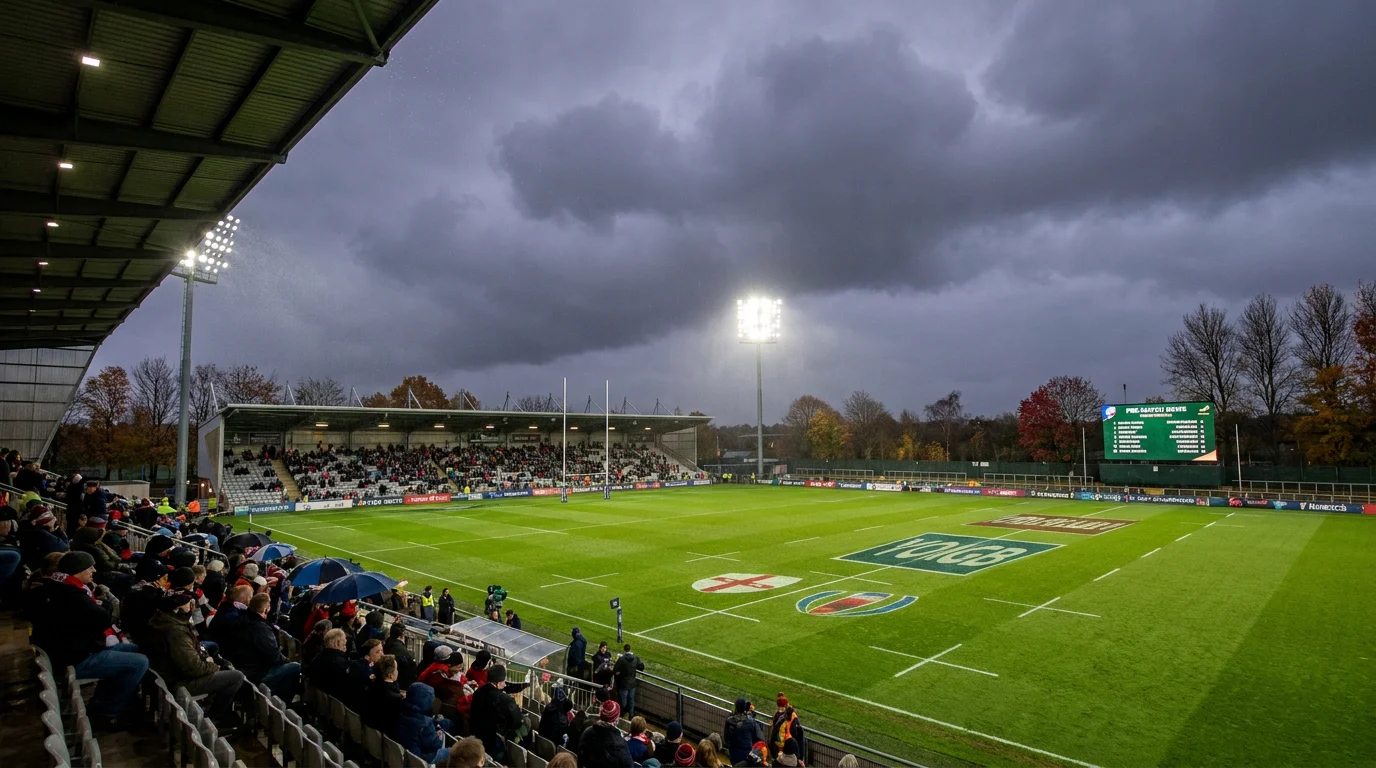
A survey of UK bettors found that 68% expect to increase their wagering volume through the 2026 sporting calendar — and the November international window is one of the pressure points where that increased activity concentrates. The autumn internationals bring southern hemisphere heavyweights to European grounds for a three-week window of Test rugby that serves as both a competitive event and a preview of the following year’s Six Nations. For bettors, it is a period rich with information asymmetry: the market has strong opinions about northern hemisphere teams based on recent domestic form, weaker opinions about touring sides arriving after a long southern hemisphere season, and a structural tendency to misprice the clash of styles that defines autumn rugby.
I treat November as a scouting trip that pays for itself. The bets I place during the autumn series are valuable, but the insights I gather for Six Nations ante-post positions are often worth more. Getting both right in the same window is the aim.
Northern vs Southern: How Hemisphere Clashes Create Value
Every autumn series produces at least one result that defies the pre-tournament market. A touring All Blacks side loses to an Ireland team that the bookmaker had as slight underdogs. An Argentina team, priced at 5/1, beats England at Twickenham. These upsets are not random — they are a product of hemisphere clashes creating conditions that standard form models struggle to price.

Southern hemisphere teams arrive in November at the end of a gruelling Rugby Championship season, having played six or seven Tests in quick succession. They carry physical fatigue, accumulated injuries and the mental drain of a long campaign. Northern hemisphere teams, by contrast, have been playing domestic rugby with international windows free from Test commitments, and their players arrive fresher but with less Test-match cohesion.
The market tends to overweight the reputation of touring nations and underweight the fatigue factor. New Zealand and South Africa are priced as favourites in most autumn fixtures regardless of their recent Championship form, and the odds on European hosts are correspondingly generous. My edge comes from tracking which touring squads have rotated through the Championship, which players are carrying niggles, and how the end-of-year travel schedule (typically three Tests in three different countries across three consecutive weekends) degrades performance by the final match of the tour.

Using Autumn Results to Inform Six Nations Ante-Post Bets
Ofcom has recorded a 62% decline in gambling advertising during Premier League match broadcasts between the 2023-24 and 2025-26 seasons — a regulatory shift that makes editorial content about betting strategy, rather than operator promotions, more relevant than ever. That same shift toward informed decision-making applies to how I use autumn results: not as entertainment, but as data points that feed directly into my Six Nations positions.

The autumn internationals are the last competitive Test window before the Six Nations begins in February. The results, performance levels and tactical approaches revealed during November are the freshest form indicators available when the Six Nations outright market opens. A team that looked sharp and cohesive against New Zealand in November carries that momentum into the Six Nations; a team that was disjointed and error-prone does not magically reinvent itself over the Christmas break.
My process: after the final autumn round, I score each Six Nations team on a simple 1-10 scale across four categories: attacking fluency, defensive organisation, set-piece reliability and depth of squad. I compare these scores to the Six Nations outright odds and look for discrepancies. If my assessment suggests Ireland are significantly stronger than the market implies (perhaps because they dominated both Australia and South Africa in November), I place an early ante-post Six Nations bet on Ireland before the market catches up. The window between the end of the autumn series and the release of Six Nations fixture details is typically two to three weeks — enough time to act before the odds tighten.

Fatigue, Jet Lag and Squad Depth: Autumn Scheduling Quirks
Here is a scheduling detail that creates consistent value: the order in which touring teams play their autumn fixtures matters enormously. A team that opens against a top-tier European side (say, Ireland in week one) arrives with the freshest legs and the most tactical surprise. By week three, the same team has played two demanding Tests, crossed multiple time zones, and often rested key players in preparation for the final match. The third fixture of a touring team’s autumn schedule is systematically the weakest performance, and the market does not always adjust for this.
I track the touring schedule meticulously. If South Africa play France in week one, England in week two, and Wales in week three, I am most interested in the week-three fixture. Wales, playing at home with a full-strength squad, face a South Africa team managing fatigue and potentially resting frontline players. The match result and handicap markets on that fixture are often soft because the bookmaker weights South Africa’s reputation too heavily and the scheduling fatigue too lightly.

Squad depth plays into this dynamic as well. Southern hemisphere nations bring 34-36 players on tour, and the drop-off from first choice to second string varies dramatically. New Zealand traditionally maintains the shallowest drop-off, meaning their rotation is less disruptive. Argentina, by contrast, relies heavily on their starting XV, and the performance gap when they rotate is pronounced. Understanding each touring squad’s depth profile helps me assess which week-three fixtures represent genuine value and which are priced correctly. For a broader look at how international form translates into tournament betting, the Six Nations tips guide covers round-by-round strategy built on exactly this kind of pre-tournament analysis.

Do southern hemisphere teams underperform in November tests?
Not as a blanket rule, but fatigue and scheduling create measurable performance decline through the tour. Week-one results for touring teams are broadly in line with expectations; week-three results show a notable dip, particularly for teams with less squad depth. The market prices touring nations on reputation rather than tour-specific form, which creates value on the home side in late-tour fixtures.
How does autumn international form translate to Six Nations odds?
Autumn results are the freshest competitive data available when Six Nations outright markets open. Strong autumn performances — particularly against top-ranked southern hemisphere sides — correlate with higher Six Nations finishing positions. I use a scoring framework across four categories (attack, defence, set piece, depth) to compare autumn form with pre-Six Nations odds and identify mispriced outrights in the early market.
